Elevate Your Event: Remarkable Culinary Services for Any Event
Improving an event through catering necessitates thoughtful evaluation of various elements. The choice of catering style can greatly shape the whole experience. Developments such as engaging food displays and eco-friendly components are growing in demand. In addition, accommodating dietary requirements and staying within budget are critical. Understanding these elements can elevate an average gathering into an unforgettable experience. That said, choosing the best-suited approach and service is essential for reaching the desired outcome. Where does one go from here?
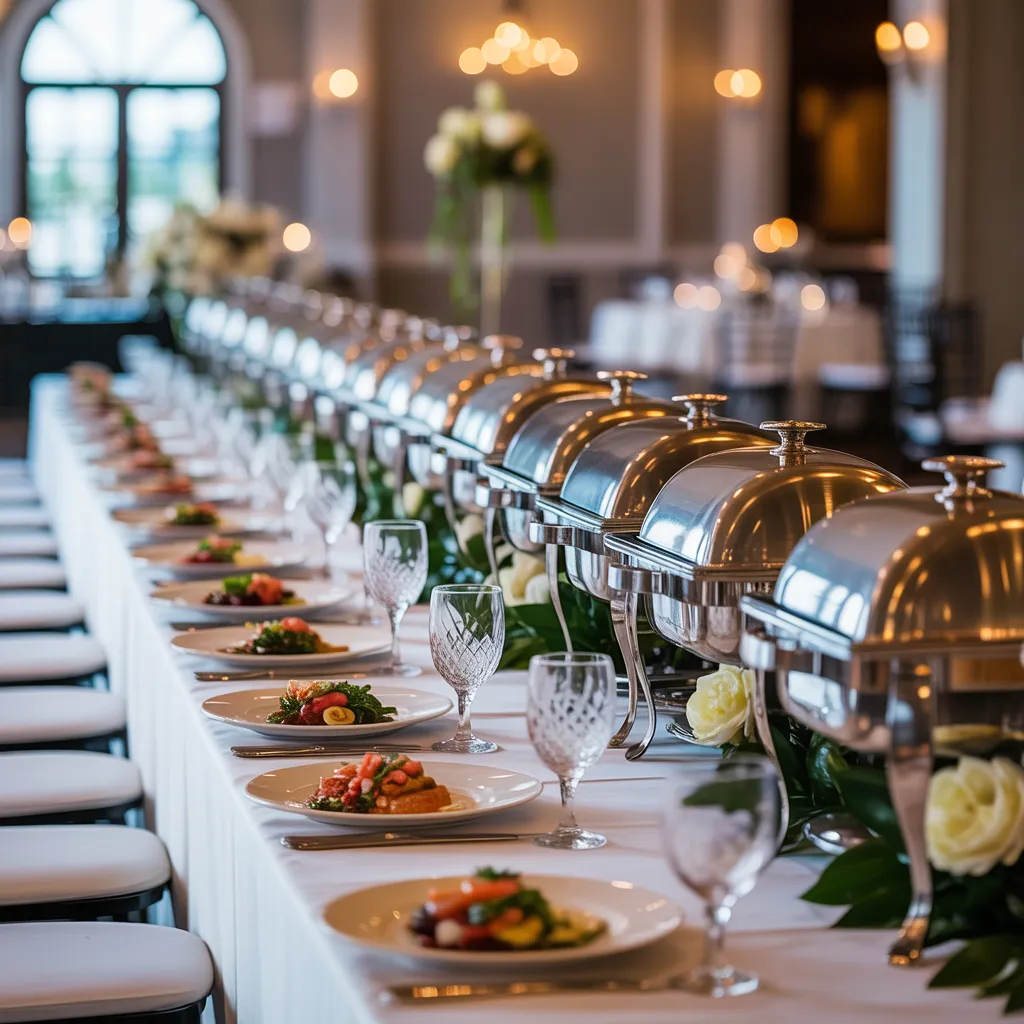
How to Find the Best Catering Style for Your Event
When planning an event, how does one determine the ideal catering style? The choice depends on various key elements, including the nature of the event, guest count, and venue. Formal events, such as weddings or business events, typically warrant plated service, which delivers a sophisticated dining experience. On the other hand, relaxed gatherings like social celebrations may call for a buffet or family-style dining setup, promoting socialization and engagement among guests.
An additional factor is the dietary preferences and restrictions of attendees, which demand a versatile menu that accommodates various needs. Moreover, the budget is a critical factor; various catering options differ in their overall affordability. Finally, the general ambiance sought should complement the chosen catering style, whether it be sophisticated or laid-back. In the end, being aware of these considerations helps coordinators identify a catering style that improves the overall occasion while meeting both aesthetic and functional requirements.
Leading Catering Trends That Will Wow Your Guests
Contemporary gatherings are progressively adopting creative catering concepts that transform the overall experience. One standout approach is the incorporation of participatory dining stations, giving guests the opportunity to personalize their dishes in live settings. This not only introduces an engaging element but also promotes lively engagement between guests.
Eco-friendly and locally obtained ingredients are becoming increasingly popular, highlighting an increased understanding of environmental responsibility and wellness. This shift not only improves culinary quality but also bolsters regional economies.
In addition, themed gastronomic adventures introduce guests to diverse cultures via carefully crafted dishes, crafting unforgettable dining experiences. As a final point, the emergence of visually spectacular culinary showcases, such as intricate edible compositions and striking arrangements, establishes that every plate captivates the eyes just as powerfully as it pleases the palate. Combined, these innovations define an extraordinary catering journey, making a profound impact on attendees while establishing the ambiance of the gathering.
How to Make Sure Everyone's Dietary Needs Are Met
Managing dietary requirements at events necessitates the early recognition of restrictions to ensure inclusivity. Offering a diverse menu that accommodates various preferences and requirements is essential for guest satisfaction. Transparent labeling of food items also assists in eliminating misunderstandings and encourages a safe and enjoyable dining experience.
Recognize Dietary Restrictions From the Start
What steps can event organizers take to make sure every attendee feels included and pleased? Recognizing dietary needs in advance is essential for accomplishing this objective. Prior to the event, organizers should send out invitations that include a request for dietary preferences and restrictions. This anticipatory strategy permits them to obtain critical details and cater to a range of needs, encompassing allergies, intolerances, and lifestyle decisions like veganism or gluten-free nutrition.
Event planners may also want to consider creating a simple online form or survey to streamline the process. By consolidating this collected data, they can ensure that every guest's needs are met, promoting an inclusive and welcoming environment. Ultimately, early identification of dietary restrictions not only boosts attendee satisfaction but also highlights the organizer's focus on attentive and thorough event planning.
Present a Wide Range of Menu Selections
Once dietary restrictions have been collected, event organizers can move forward by providing varied menu options that accommodate every guest. A carefully planned menu should offer vegetarian, vegan, gluten-free, and nut-free alternatives, guaranteeing that no attendee is left out. By integrating an assortment of cuisines, organizers can cater to a range of palates while acknowledging dietary preferences and needs. Seasonal ingredients can enhance flavor and freshness, making dishes more appealing. Additionally, providing a mix of appetizers, main courses, and desserts allows guests to enjoy a full dining experience. Collaborating with caterers who are experienced in accommodating varied dietary requirements can ensure that every guest's needs are addressed, fostering an inclusive environment that enhances the entire event.
Clearly Label Your Food
What measures can event planners implement to make sure attendees feel secure and knowledgeable about their dietary selections? Clearly labeling food is essential for addressing dietary needs. Organizers should utilize signage that specifies ingredients and highlights common allergens such as nuts, gluten, and dairy. This transparency allows guests to make informed decisions and avoids potential health risks. Moreover, using color-coded labels can streamline the process of identifying vegan, vegetarian, and gluten-free dishes. Offering thorough descriptions on menus improves comprehension and promotes attendee participation. Event planners should also ensure that knowledgeable staff members are on hand to address food-related inquiries. By putting these practices into place, event planners can cultivate a hospitable setting where all guests feel secure in their food decisions, ultimately improving the overall quality of the event.
Building a Tailored Menu for Your Theme
Creating a personalized dining experience for an themed occasion transforms the entire experience, ensuring that the culinary offerings align with the occasion's spirit. A well-curated culinary lineup reflects the gathering's mood, whether it be a black-tie gala, a playful birthday celebration, or a relaxed outdoor picnic. By considering the chosen theme, event organizers can curate dishes that harmonize with cultural traditions and color schemes.
Including seasonal produce enhances flavor while also complementing the aesthetic direction of the gathering. By way of example, a tropical event theme might feature bright tropical fruits and stimulating seafood selections, while a rustic occasion could highlight hearty, locally sourced fare. In addition, catering to dietary requirements and restrictions creates an environment of inclusivity, enabling every attendee to partake in the dining experience.
Fundamentally, a tailored menu converts mere sustenance into an integral part of the occasion's story, making an unforgettable impact that reaches past the last dish.
The Importance of Professional Service in Catering
Expert catering service significantly elevates the entire event experience, making sure that guests feel well-cared for and appreciated. Steadiness and trustworthiness are defining characteristics that separate skilled caterers from the rest, providing assurance that every aspect will meet expectations. This degree of professionalism not only showcases the event's caliber but also bolsters the host's credibility.
Influence on Event Experience
While the food served at an event may be a primary focus, the quality of professional catering greatly impacts the overall experience. Skilled catering teams not only ensure that dishes are presented beautifully but also oversee the timing and flow of service, which can enhance guest enjoyment. Dedicated service staff create an inviting atmosphere, allowing hosts to engage with their guests without stress. In addition, experienced service professionals can provide insights about the menu, making certain guests are aware and content with their selections. Ultimately, the smooth coordination of catering services supports a memorable event, leaving a enduring impact on attendees. A well-coordinated catering experience transforms the occasion, highlighting the importance of professional service in event planning.
Dependability and Consistency Guarantee
Guaranteeing consistency and reliability in catering services is fundamental to a successful event. When clients work with professional caterers, they look forward to a flawless experience, from organization to delivery. Reliable catering companies adhere to high standards, ensuring that food quality, presentation, and service remain consistent. This dependability gives clients confidence that their guests will learn about this savor a remarkable dining experience.
Additionally, professional caterers are adept at navigating logistical complexities, for instance sudden modifications or food requirements, without compromising service quality. Their expertise enables them to identify upcoming obstacles, alleviating pressure on event coordinators. Ultimately, the reliability of a catering service directly influences the general achievement of a gathering, fostering trust and encouraging clients to return for future occasions.
Budgeting for Catering: Maximizing Value
Navigating the complexities of budgeting for catering can greatly impact the overall success of an event. Creating a well-structured budget is crucial, as it establishes the framework for all catering choices. Event coordinators should start by identifying the overall budget available and breaking it down into specific sections, such as beverages, food, and service charges.
Focusing on necessities rather than luxuries can help maximize value; for instance, opting for a buffet setup may provide more diverse options at a reduced cost compared to plated dining. Furthermore, negotiating with catering services can result in reduced rates or bundled packages, improving the event experience while staying within budget.
Incorporating locally sourced seasonal produce can further decrease overall costs while ensuring fresh and flavorful dishes. Through a methodical review of options and strategic decision-making, catering coordinators can establish a truly remarkable catering experience that stays within budget without reducing the overall quality.
Reviewing and Picking the Ideal Catering Service
In what ways can event planners successfully identify and secure the most suitable catering service? The initial step requires identifying particular event requirements, including the type of cuisine, guest count, and dietary restrictions. Subsequently, planners are advised to evaluate possible caterers through online ratings, customer feedback, and documented records of prior events. Arranging tastings is a critical step in evaluating food quality and visual presentation.
Budget factors carry significant weight; planners should secure comprehensive quotes covering all expenses, including service costs and possible overtime fees. Having direct conversations with caterers allows planners to assess their attentiveness and readiness to fulfill special requirements. Furthermore, verifying appropriate licenses and insurance ensures dependability and a professional standard.
Ultimately, planners should obtain recommendations from fellow professionals or industry contacts to refine their choices. By integrating these strategies, event planners can confidently select a catering service that suits their needs and improves the guest experience.
Questions We Often Receive
How Soon in Advance Should I Reserve Catering Services?
Professionals advise booking catering providers a minimum of three to six months ahead of time for sought-after dates and event spaces. This secures your booking, permits menu personalization, and gives adequate time for any necessary adjustments or planning.
Can Catering Companies Supply Rentals for Tables and Chairs?
A wide range of catering providers supply rental solutions for furniture and seating, presenting a comprehensive solution for gatherings. Customers are encouraged to look into these additional services when scheduling to make certain every need is addressed for their function.
What Happens to Leftover Food After the Event?
Once the event concludes, excess food is generally inspected for safety and quality. Several catering services offer remaining food to community charities or shelters, while a few may box it up for clients or ensure it is discarded in an environmentally conscious way.
Do Catering Costs Include Gratuities?
Gratuities are usually not part of the catering fee. Customers are encouraged to confirm the gratuity policy directly with their catering provider, since the provider may propose a percentage relative to the total invoice or quality of service rendered.
Can I Sample the Menu Items Before Placing My Final Order?
Yes, a tasting session is usually arranged before the order is finalized. This chance enables clients to try the available menu selections, making sure the chosen dishes match their tastes and event requirements.