Upgrade Your Celebration: Exceptional Culinary Services for Any Event
Improving an event through catering calls for thorough assessment of various elements. The decision of catering style can significantly impact the complete experience. Trends such as hands-on dining setups and sustainable ingredients are rising in appeal. Furthermore, accommodating dietary requirements and staying within budget are critical. Understanding these factors can convert an ordinary gathering into something memorable. That said, choosing the right plan and support is crucial for reaching the sought-after outcome. What steps should one take next?
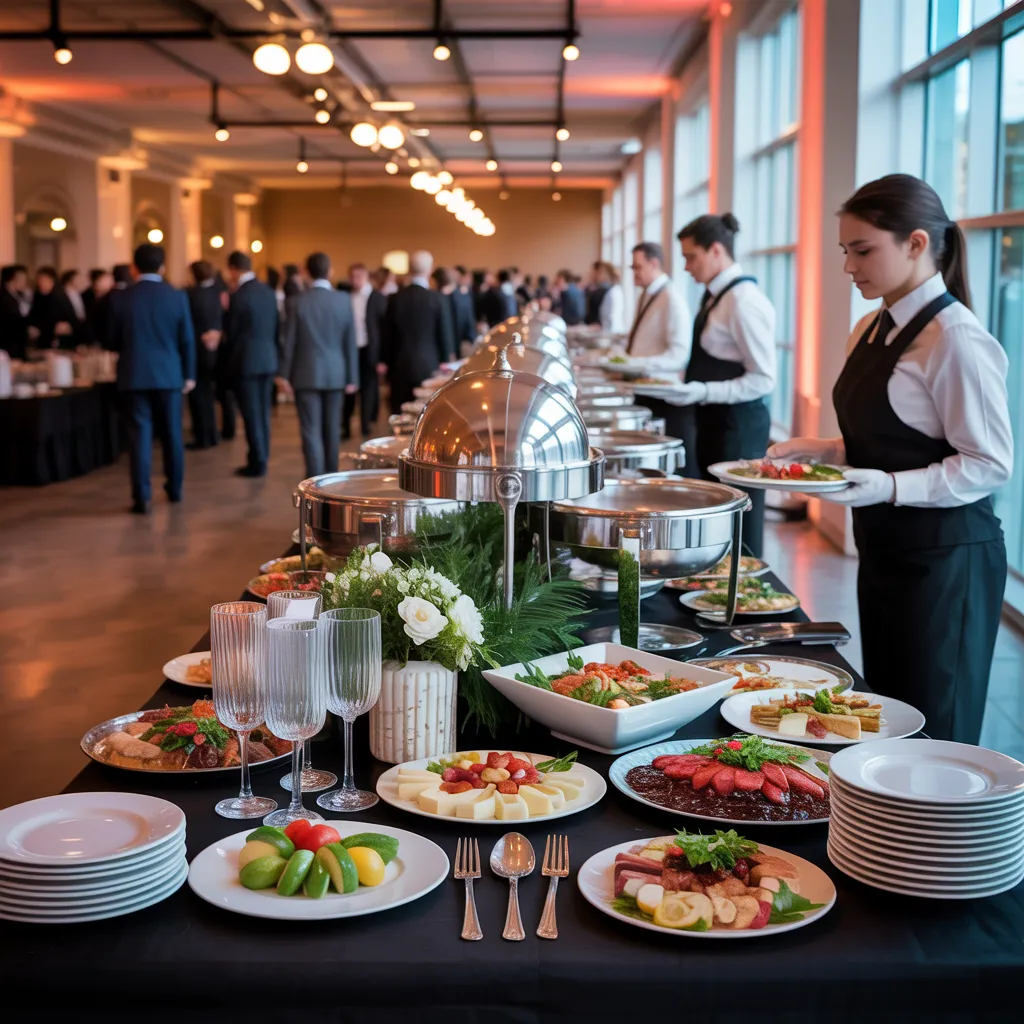
How to Select the Ideal Catering Style for Your Event
When organizing an event, how can one identify the most suitable catering style? The decision relies on a number of considerations, including the type of event, guest count, and venue. Formal events, such as weddings or corporate functions, frequently call for plated service, which offers an elegant dining experience. By comparison, relaxed gatherings like informal parties often benefit from a buffet or family-style dining setup, encouraging mingling and interaction among guests.
An additional factor is the dietary preferences and restrictions of attendees, which necessitate a versatile menu that addresses a range of dietary considerations. Additionally, the budget plays an essential role; some catering styles may be more cost-effective than others. Lastly, the intended event environment should match the chosen catering approach, whether it be sophisticated or laid-back. Ultimately, recognizing these factors enables organizers to choose a catering style that enhances the gathering while satisfying both visual and practical needs.
Leading Catering Trends That Will Wow Your Guests
Today's events increasingly embrace cutting-edge catering approaches that transform the attendee experience. One standout approach is the incorporation of interactive food stations, enabling attendees to customize their meals in the moment. This not only adds an interactive dimension but also fosters meaningful connections between guests.
Sustainable and regionally sourced ingredients are growing in prominence, demonstrating a heightened consciousness toward ecological impact and healthy living. This movement not only elevates taste profiles but also strengthens local economies.
Additionally, immersive culinary journeys bring guests on a cultural voyage through distinctive flavors, crafting unforgettable dining experiences. Lastly, the emergence of visually stunning presentations, such as edible art and vibrant platings, guarantees that each dish is as much a feast for the eyes as it is for the palate. These trends collectively contribute to an unforgettable catering experience, making a profound impact on attendees while establishing the ambiance of the gathering.
How to Guarantee That Everyone's Dietary Needs Are Addressed
Handling dietary considerations at events demands the timely identification of restrictions to secure inclusivity. Presenting a wide-ranging menu that meets diverse preferences and requirements is crucial for ensuring guest satisfaction. Proper labeling of food items additionally helps prevent confusion and fosters a secure dining environment.
Discover Dietary Restrictions Ahead of Time
How can event organizers guarantee that every guest feels included and satisfied? Identifying dietary restrictions early is vital for achieving this goal. Before the event takes place, organizers ought to distribute invitations that feature a request for dietary needs and limitations. This forward-thinking method enables them to collect vital information and address diverse requirements, including allergies, intolerances, and lifestyle preferences such as veganism or gluten-free eating.
Event planners may also want to consider developing a straightforward digital form or questionnaire to streamline the process. By compiling this data, they can ensure that every guest's needs are met, promoting an inclusive and welcoming environment. At the end of the day, proactively identifying dietary needs not only boosts attendee satisfaction but also highlights the organizer's focus on attentive and thorough event planning.
Present a Wide Range of Menu Selections
Once dietary restrictions have been collected, event organizers can move forward by providing varied menu options that accommodate every guest. A well-curated menu should include vegetarian, vegan, gluten-free, and nut-free choices, making certain that no one feels excluded. Through the inclusion of diverse culinary traditions, organizers can satisfy various tastes while honoring dietary preferences and limitations. Locally sourced seasonal ingredients can elevate taste and freshness, rendering dishes more attractive to guests. Furthermore, offering a combination of starters, entrees, and desserts enables guests to savor a complete culinary journey. Engaging with caterers who specialize in diverse offerings can help guarantee that all dietary needs are met, ultimately creating an inclusive atmosphere that elevates the overall event experience.
Label Food Clearly
What measures can event planners implement to make sure guests are well-informed and comfortable with their food options? Clearly labeling food is essential for addressing dietary needs. Organizers should utilize signage that specifies ingredients and highlights common allergens such as nuts, gluten, and dairy. This transparency allows guests to make informed decisions and avoids potential health risks. Moreover, using color-coded labels can streamline the process of identifying vegan, vegetarian, and gluten-free dishes. Providing detailed descriptions on menus enhances understanding and encourages guest engagement. Organizers should also consider having staff available to answer questions about the food. By putting these practices into place, event planners can cultivate a hospitable setting where all guests feel secure in their food decisions, ultimately improving the overall quality of the event.
Crafting a Customized Menu for Your Theme
Developing a tailored food selection for an event theme enriches the guest experience, ensuring that the culinary offerings resonate with the event's character. A expertly assembled selection of dishes embodies the event's tone, be it a sophisticated gala, a playful birthday celebration, or a laid-back outdoor celebration. By considering the chosen theme, hosts can select dishes that harmonize with colors, traditions, and cultural influences.
Incorporating locally seasonal components improves taste and simultaneously matches the aesthetic direction of the gathering. For instance, a tropical celebration might feature vibrant fruits and invigorating seafood, while a rustic gathering may emphasize wholesome, locally obtained dishes. Furthermore, catering to dietary requirements and restrictions guarantees inclusivity, enabling every attendee to partake in the dining experience.
In the end, a customized menu transforms ordinary dining into an essential part of the gathering's experience, creating an enduring memory that reaches past the last dish.
Why Professional Service Matters in Catering
Expert catering service significantly elevates the entire event experience, guaranteeing that guests feel acknowledged and respected. Dependability and uniformity are essential qualities that set professional caterers apart, giving certainty that each detail will satisfy requirements. This level of service not only reflects the event's quality but also reinforces the host's reputation.
Effect on Event Experience
Even though the dishes offered at an event tend to be a main attraction, the quality of catering service greatly impacts the overall experience. Experienced service personnel not only ensure that dishes are displayed elegantly but also manage the timing and flow of service, which can elevate guest enjoyment. Attentive servers create an warm atmosphere, allowing hosts to interact with their guests without worry. In addition, well-informed team members can provide insights about the menu, making certain guests are knowledgeable and pleased with their selections. Ultimately, the seamless execution of catering services supports a memorable event, leaving a lasting impression on attendees. A well-coordinated catering experience elevates the occasion, highlighting the importance of professional service in event planning.
Consistency and Reliability Assurance
Ensuring consistency and reliability in catering services is essential for a successful event. When clients hire professional caterers, they anticipate a smooth experience, from initial planning to final execution. Dependable catering companies maintain high standards, guaranteeing that food quality, presentation, and service stay consistent. This dependability gives clients confidence that their guests will savor a remarkable dining experience.
Furthermore, professional catering teams excel at handling logistical difficulties, like unexpected changes or special dietary needs, without sacrificing quality of service. Their expertise enables them to anticipate potential issues, alleviating pressure on event coordinators. Ultimately, the reliability of a catering service directly influences the complete success of an occasion, establishing credibility and inspiring clients to revisit for later gatherings.
Budgeting for Catering: Maximizing Value
Navigating the intricacies of catering budgets can greatly impact the overall success of an event. Creating a well-structured budget is vital, as it sets the parameters for all catering choices. Event planners should start by identifying the overall budget available and dividing it into specific sections, such as beverages, food, and service charges.
Distinguishing between needs and wants can prove beneficial in maximizing value; for instance, selecting a buffet style may offer a wider variety at a lower cost than plated meals. Moreover, working out deals with catering providers can produce cost savings or special arrangements, enhancing the overall experience without breaking the bank.
Utilizing locally sourced seasonal produce can also reduce costs while ensuring fresh and flavorful dishes. Through a methodical review of options and strategic decision-making, catering coordinators can deliver an exceptional catering outcome that aligns with their budget without compromising quality.
Assessing and Selecting the Best Catering Service
What steps can event planners take to properly assess and select the ideal catering service? The process begins with establishing the specific needs of the event, encompassing the cuisine type, total guest count, and existing dietary requirements. Following this, planners ought to investigate prospective caterers by examining online reviews, client testimonials, and showcases of previous events. Organizing tasting sessions is vital for properly judging the quality and presentation of the food.
Financial considerations are a critical aspect; organizers need to gather itemized quotes that detail all charges, including operational fees and any applicable overtime expenses. Having direct conversations with caterers allows planners to assess their attentiveness and readiness to fulfill special requirements. Additionally, checking for proper licenses and insurance guarantees reliability and professionalism.
Finally, event planners should seek suggestions from peers or industry connections to refine their choices. By combining this approach, organizers can confidently identify a catering company that matches their expectations and elevates the overall event.
Common Questions and Answers
How Soon in Advance Should I Reserve Catering Services?
Professionals advise reserving catering services no less than three to six months beforehand for sought-after dates and event spaces. This guarantees availability, allows for menu customization, and gives adequate time for all necessary changes and preparation.
Are Table and Chair Rentals Available Through Catering Services?
Several catering businesses offer rental arrangements for chairs and tables, presenting a all-inclusive solution for gatherings. Clients are encouraged to ask about these added amenities when scheduling to ensure all requirements are satisfied for their occasion.
What Becomes of Leftover Food Following the Event?
After the event, remaining food is usually evaluated for safety and quality. Numerous catering companies contribute surplus food to nearby charities or shelters, while some may package it for clients or dispose of it responsibly.
Are Tips Included in the Catering Price?
Service tips are commonly excluded from the catering cost. Customers are encouraged to confirm the gratuity policy directly with their catering provider, as they may recommend a percentage based on the total bill or service quality.
Can I Taste the Menu Before Finalizing My Order?
Yes, a tasting session is usually arranged before the order is finalized. This occasion gives clients the ability to taste the menu choices, confirming that the timely resource selected items suit their preferences and overall event vision.