Investing in Quality: How the Right Restaurant Equipment Can Boost Your Bottom Line
In the competitive restaurant industry, equipment choices play a major role in economic outcomes. Superior appliances boost operational efficiency and workplace safety while reducing operational costs. While evaluating foodservice equipment, factors such as energy efficiency, ergonomics, and versatility play essential roles. Understanding these elements can lead to better service and increased customer satisfaction. Yet, numerous restaurant owners ignore the long-term benefits of investing wisely. What key elements should be focused on to achieve the greatest return on investment?
Why Quality Equipment Matters in the Restaurant Industry
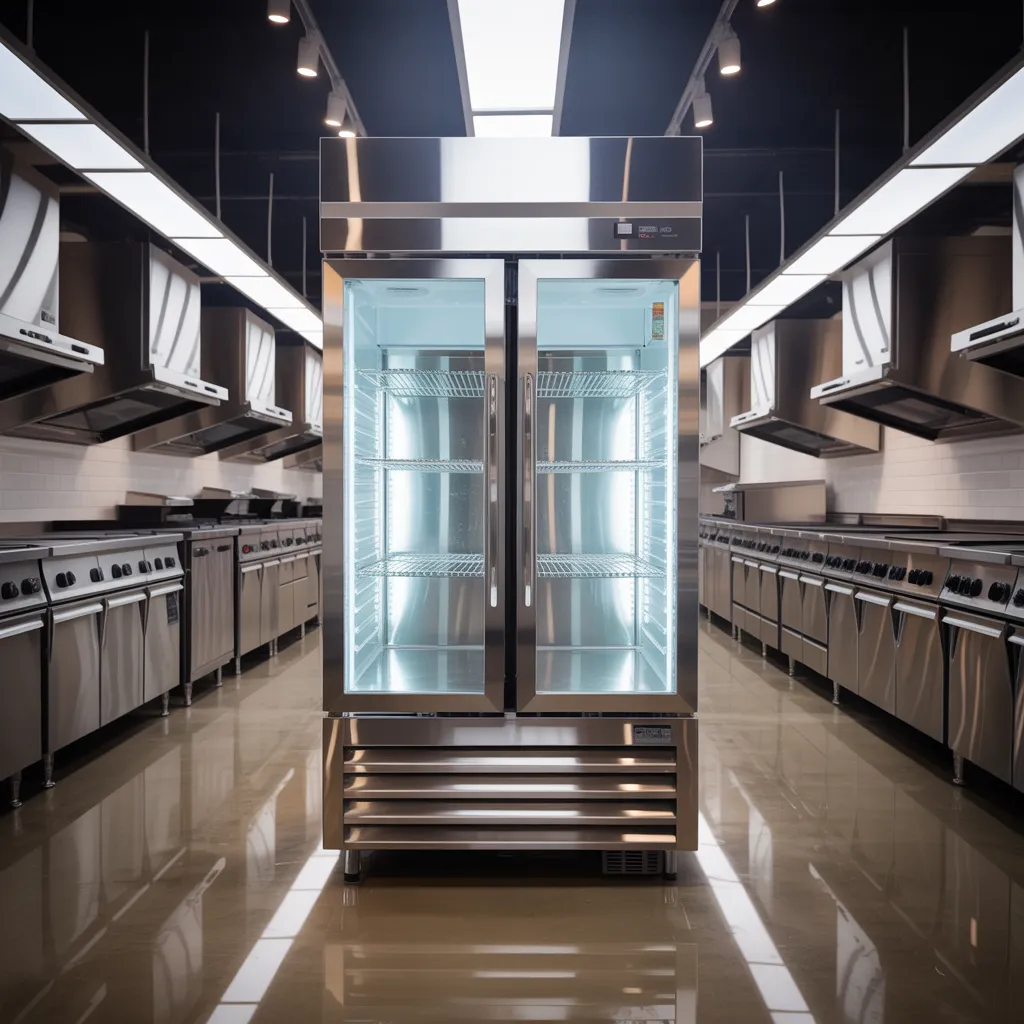
Premium equipment stands as the cornerstone of every successful restaurant operation. Restaurateurs who invest in superior tools and appliances naturally improve efficiency, safety, and the overall quality of their service. Reliable equipment minimizes downtime and repair costs, allowing staff to focus on delivering exceptional customer experiences. Furthermore, long-lasting appliances frequently incorporate cutting-edge technology that enhances cooking precision and consistency, which is essential for upholding menu standards.
Moreover, superior equipment contributes to improved energy efficiency, reducing operational costs over time. This simultaneously improves profitability and supports environmental sustainability efforts within the sector. While the upfront costs may appear significant, the long-term advantages frequently justify the expenditure. In the end, investing in quality equipment enables restaurant owners to optimize their operations, satisfy customer demands, and cultivate an inviting dining environment, making it an essential factor in the highly competitive restaurant industry.
Key Features to Evaluate When Selecting Restaurant Equipment
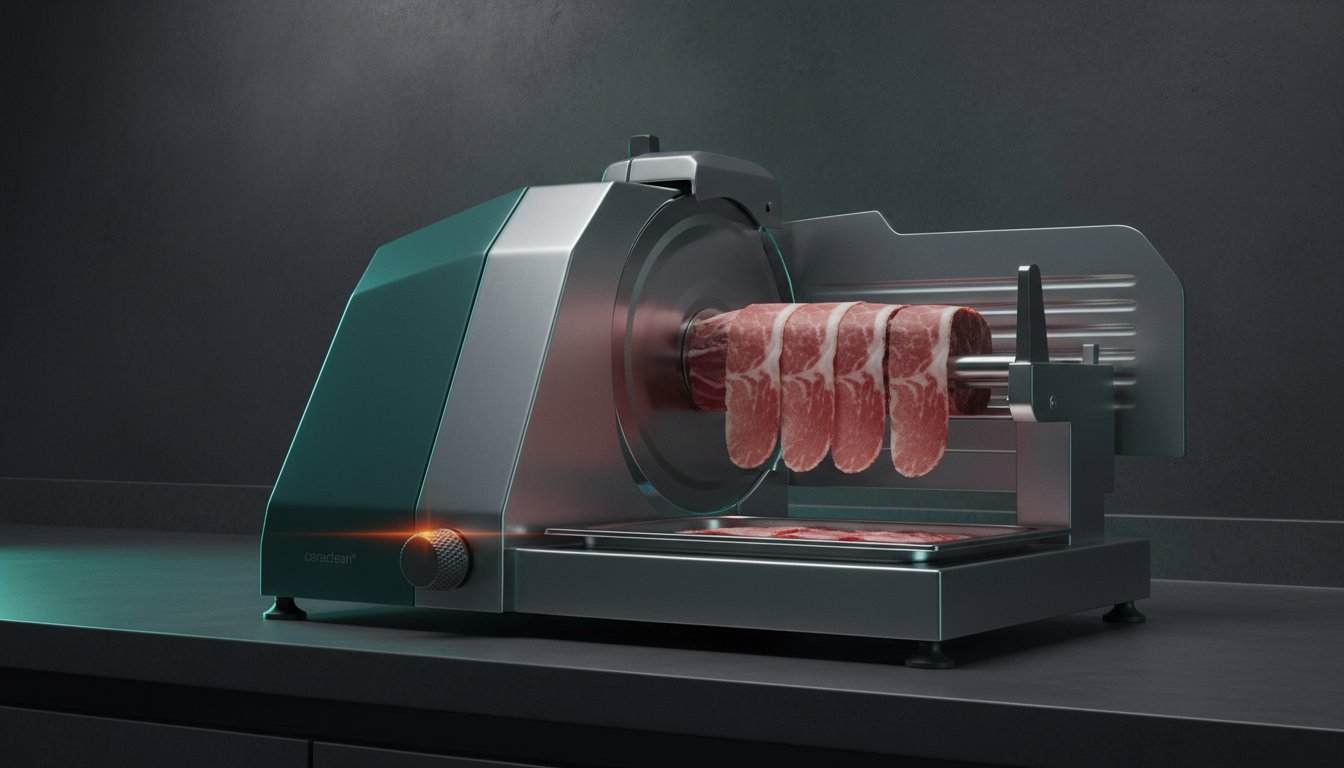
When evaluating restaurant equipment, a number of key features deserve close attention to achieve maximum efficiency and long-term reliability. Durability is a top priority; equipment must endure the demands of constant use in a busy kitchen. Moreover, simplicity of maintenance serves a crucial function; equipment that streamlines cleaning and maintenance can lower downtime and staffing costs.
Adaptability is another important aspect, permitting chefs to employ equipment in numerous ways, enhancing menu flexibility. Size and capacity should also be assessed to confirm that items integrate within the kitchen design while meeting production demands. Moreover, user-friendly interfaces facilitate quicker staff training and operational efficiency.
Ultimately, examine the warranty and support offered by the manufacturer, as strong service options can address future concerns. By assessing these essential elements, restaurant owners can check this make informed choices that enhance efficiency and long-term success.
Energy Efficiency: A Key to Lower Operating Costs
Energy efficiency emerges as a vital consideration in lowering operational expenses for restaurants, particularly in an industry where margins can be tight. Investing in energy-efficient equipment can lead to significant savings on utility bills, which often comprise a substantial portion of overall expenses. To illustrate, ENERGY STAR-qualified devices use less power while delivering consistent results, helping restaurants function in a more environmentally and financially responsible manner.
Furthermore, well-designed equipment generally has an extended lifespan, minimizing the need for frequent and costly replacements. This helps reduce capital expenditures while also cutting down on waste.
Beyond financial benefits, adopting energy-efficient practices can strengthen a restaurant's image, appealing to environmentally conscious consumers. As energy costs continue to rise, emphasizing efficiency proves to be a sound financial choice as well as a market differentiator. By focusing on energy-efficient equipment, restaurant owners can effectively improve their bottom line while contributing to a more sustainable future.
How Ergonomics Can Enhance Employee Productivity
Within the restaurant sector, ergonomics serves a vital function in boosting workforce efficiency. By maximizing workflow performance, reducing injury risks, and enhancing the comfort of employees, dining establishments can develop a more efficient working environment. This investment not only benefits staff but also contributes to overall operational success.
Improved Workflow Productivity
Enhancing productivity in commercial kitchen environments depends on the integration of ergonomic concepts. By designing workspaces that support natural body movements, restaurants can streamline operations. Layout design, equipment placement, and accessibility are essential factors in decreasing undue physical burden. For instance, flexible work surfaces help team members complete duties efficiently, improving accuracy and productivity. Additionally, thoughtfully positioned equipment and materials limit undue stretching and stooping, supporting a more streamlined process. When team members can work without restriction, they are more capable of preserving attention and performance. Investing in ergonomic designs not only optimizes operations but also promotes a well-structured workspace, ultimately contributing to improved service quality and customer satisfaction. Through thoughtful equipment choices, restaurants can attain considerable advancements in overall productivity.
Decreased Injury Risks
Integrating ergonomic principles in food service environments significantly reduces the likelihood of injuries among team members. By integrating user-friendly equipment, such as height-adaptable work surfaces and anti-fatigue mats, restaurant operators can limit the physical strain on employees. Well-engineered tools, like easy-to-handle utensils and easy-to-maneuver carts, further decrease the likelihood of repetitive stress injuries. Training staff on ergonomic best practices, such as proper lifting methods and healthy posture, builds knowledge and fosters safer conduct. Such steps not only safeguard staff but also result in reduced workplace incidents, therefore decreasing operational disruptions and related expenditures. In the long run, prioritizing ergonomic tools and education cultivates a more secure workplace, which can elevate team productivity and workplace satisfaction.
Improved Employee Comfort
Improving staff well-being by means of ergonomic principles considerably elevates staff performance in foodservice environments. By prioritizing equipment that emphasizes ergonomic principles, restaurants can build a work environment that minimizes fatigue and discomfort. Adjustable workstations, comfortable chairs, and well-crafted food preparation tools empower employees to carry out responsibilities more efficiently and comfortably. This not only leads to greater operational output but also cultivates a supportive work environment, which can improve employee morale and retention. Moreover, workers who feel at ease are not prone to suffer from burnout, leading to decreased employee attrition and recruitment costs. Ultimately, implementing ergonomic solutions is a calculated decision that enhances operational efficiency and contributes directly to the business's financial performance. By placing comfort at the forefront, restaurants can build a highly efficient team.
Choosing Restaurant Equipment That Elevates Guest Experience
A thoughtfully selected array of dining establishment equipment can considerably improve the overall dining experience for patrons. High-quality items, such as state-of-the-art coffee makers or high-precision ovens, ensure that dishes and drinks meet perfect temperature and flavor standards, enhancing satisfaction. Furthermore, attractive dining equipment, like stylish dishware or unique serving tools, contributes to the restaurant's ambiance and reinforces its brand identity.
Optimized culinary equipment simplifies operations, permitting kitchen personnel to serve meals promptly, which is vital for strengthening patron satisfaction. Additionally, machinery that upholds food safety, like reliable refrigeration units, cultivates trust and confidence among patrons.
Finally, tech-based innovations, like automated ordering solutions, can customize the overall dining experience, making it highly interactive and satisfying. By prioritizing the selection of equipment that focuses on functionality, design, and quality, dining establishment owners can considerably elevate the customer experience, resulting in loyal customers and favorable recommendations.
Why Flexible Equipment Is Essential for Menu Adaptability
Multi-functional equipment is vital for allowing dining establishments to modify their menus in response to shifting culinary trends and patron demands. Through the integration of versatile kitchen tools, restaurants can effectively address shifting consumer needs without the need for significant capital investment in new tools. To illustrate, a combi oven provides steaming, baking, and roasting functions, empowering kitchen staff to craft an extensive range of menu items while upholding reliable standards of excellence.
This adaptability not only improves creativity in menu planning but also streamlines kitchen operations, reducing preparation time and reducing food waste. Restaurants equipped with flexible tools can swiftly respond to seasonal menu components or popular dietary trends, such as gluten-free offerings or plant-based options.
In the end, investing in adaptable equipment enables restaurants to stay competitive and relevant, cultivating an engaging dining experience that draws in and retains loyal customers. The flexibility to update menus effortlessly represents a critical strategy for achieving sustained growth in the rapidly shifting culinary landscape.
Ways to Extend the Lifespan of Your Equipment
To optimize the service life of restaurant equipment, implementing a regular maintenance schedule is crucial. Moreover, utilizing proper cleaning techniques can prevent wear and tear, while comprehensive staff training initiatives confirm that team members use equipment as intended. Collectively, these methods build a basis for durability and consistency in commercial kitchen operations.
Scheduled Maintenance Plan
Although many restaurant owners prioritize buying high-quality equipment, neglecting regular maintenance can lead to costly repairs and shortened lifespans. Developing a routine maintenance schedule is vital for making certain that equipment performs efficiently and reliably. This schedule should include routine checks and servicing of key components, such as filters, seals, and electrical connections. It is advisable to document maintenance activities to track performance and identify recurring issues. Additionally, training staff to recognize early signs of wear can prevent minor issues from escalating. By emphasizing maintenance, restaurant owners can reduce downtime, improve food safety, and ultimately prolong the lifespan of their investments. A proactive approach to equipment care translates into significant long-term savings for the business.
Proper Cleaning Techniques
Ensuring proper sanitation is critical for prolonging the life of restaurant equipment. Routine maintenance cleaning eliminates the accumulation of food particles, grease, and harmful debris that can lead to surface corrosion and operational failure. Employing suitable cleaning solutions is critical; strong chemicals risk damaging delicate surfaces, while gentle, food-grade cleaning solutions effectively remove grime without harm. Workers should apply appropriate cleaning practices, such as utilizing gentle cloths and soft scrubbers, to prevent damage to sensitive surfaces. Furthermore, periodic comprehensive cleaning should be arranged to address hard-to-reach areas and achieve full sanitary compliance. Adhering to equipment-specific guidelines provided by manufacturers is essential, as different equipment types require unique cleaning approaches. Implementing these methods contributes to prolonging equipment life and preserving top-tier operational efficiency in a busy restaurant environment.
Training Programs for Operators
Implementing extensive employee training programs is fundamental for extending the service life of restaurant equipment. These programs establish that staff are familiar with the proper use and care of each piece of equipment, reducing the chance of improper use and unintended harm. Training should encompass operating procedures, safety protocols, and scheduled cleaning practices, all customized to distinct equipment classifications. Regular refresher courses can reinforce best practices and accommodate any new machinery integrated into the kitchen. Moreover, cultivating a sense of responsibility empowers staff to take ownership of equipment care. By committing to robust training, restaurant operators can significantly prolong the life of their equipment, thereby improving operational efficiency and lowering ongoing expenses. This purposeful strategy benefits the restaurant's bottom line.
When Should You Upgrade Your Restaurant Equipment for Better ROI?
What is the ideal time to replace restaurant appliances for maximum return on investment? Proper timing can have a major influence on overall profitability. Operators should consider upgrading when appliances constantly malfunction or demand expensive maintenance, as these expenses can outweigh the benefits of keeping outdated machinery. Moreover, if current machinery does not comply with modern health and safety regulations, it can lead to fines or closures, which can seriously damage overall profitability.
One other significant factor is a considerable decrease in performance, such as increased time to complete cooking or higher energy usage. Upgrading to energy-efficient models can lower energy expenses and improve output. Furthermore, when new menu items are introduced, it may require equipment that can handle increased demand or advanced culinary processes. In the end, assessing operational efficiency, expenses, and expansion will enable managers to pinpoint the optimal moment to purchase updated machinery, guaranteeing better returns and a stronger market position.
Frequently Asked Questions
What Are the Best Ways to Finance Restaurant Equipment Purchases?
For financing restaurant equipment purchases effectively, one may look into options including small business loans, leasing, or equipment financing. Comparing interest rates and terms guarantees the best choices tailored to the restaurant's specific financial situation and needs.
What Brands Are Known for High-Quality Restaurant Equipment?
Many manufacturers are well-known for premium restaurant equipment, including Vulcan, Hobart, and True. Such companies are distinguished for their reliability, durability, and performance, making them favored picks among restaurant owners aiming to upgrade their kitchens.
Are There Warranties Available for Restaurant Equipment?
Yes, many equipment makers offer warranties for foodservice equipment, typically ranging from one to five years. These coverage plans can cover labor and parts, giving confidence to restaurant owners regarding the longevity and reliability of the equipment they invest in.
How Do I Dispose of Old Restaurant Equipment Responsibly?
To get rid of used commercial kitchen equipment in an environmentally conscious manner, individuals should get in touch with local recycling programs, donate usable items to charities, or engage professional disposal companies that adhere to environmental regulations, providing safe and environmentally sound material removal.
What Technology Trends Should I Monitor in Restaurant Equipment?
Growing innovations in commercial kitchen technology include energy-saving appliances, smart culinary tools, automated solutions for productivity, and sustainable materials. These developments seek to elevate overall performance, minimize financial expenditures, and support eco-conscious operations within the food service sector.